What Is The Difference Between Home Health And Hospice?
Table of Content
During qualification and subsequent care, the individual does not need to be homebound. Individuals may receive care that relates to hospice diagnosis in a variety of settings, including at home or at inpatient facilities like hospitals or nursing homes. Home health care serves individuals recovering from illness, injury, or surgery. Skilled nurses, therapists, and other members of the care team act cohesively to accomplish the patient’s health goals. Often people wait until the last days or weeks of life to seek out hospice care because they are worried that starting hospice care means they only have days to live.

Thank you for helping to raise funds for our patients and families. The same dedication to our clients, with even more rehab therapy solutions and resources available to you to grow your practice and provide the highest quality of patient care. One of the primary goals in home health is for patients to become as self-sufficient as possible and regain independence. Hospice care can be provided in an inpatient setting for short stays. When you choose hospice, it is not that you’re opting for no treatment for any medical condition. Antibiotics, oxygen, even invasive procedures can be allowed on hospice as long as it isn’t for the terminal condition.
Adult Day Services
Services typically include physical therapy, occupational therapy or wound care following a hospital stay or surgery. Home health is a widely used, time-limited medical service for people who want and need rehabilitation at home, assisted living, or other long-term care settings. Your loved one may have a personal hope and desire to get better, and they have the right to try. Although perspectives are changing, many people wait too long to give hospice a try. Our guide will assist you with knowing the differences between hospice and home health and how and when to choose.

Anyone can reach out to Hospice to see if they or their loved one to learn more about the care available or to learn if they qualify to start using their hospice benefit. Families are often reluctant to choose hospice because they don’t want to give up hope. But once you have tried home health and explored all of the treatment options, hospice can be a huge relief and support. Your loved one deserves and has the right to make decisions about their care—support them by using hospice and home health when appropriate. Finding good care is always a challenge since there are so many companies to choose from.
What Comes Next? The Changing Landscape of Hospice, Home Health, Palliative Care, and Private Duty
We neither hasten nor postpone death, but affirm life, emphasizing quality and comfort. Our healthcare team of professionals includes physicians, registered nurses, home health aides, social workers, therapists, and clergy and bereavement counselors. While nearly all hospice patients have zero out-of-pocket expenses related to their terminal diagnosis, home health care patients may be required to pay for medications, supplies, and equipment. Home health services do not cover inpatient stays if symptoms escalate and become unmanageable at home. Family caregivers of home health patients receive training and education, but don’t have access to the additional layers of psychosocial support enjoyed by hospice caregivers. Welcome to Georgia’s Home Health Program at the Healthcare Facility Regulatory Division website.
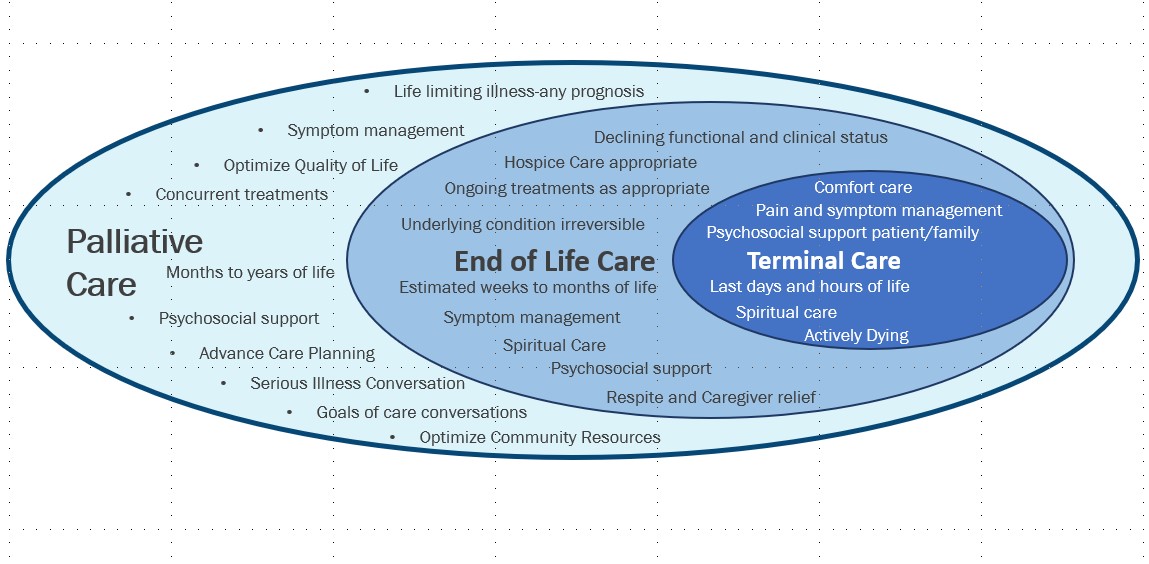
One company may have a great home health division but not a good hospice. Both hospice and home health require a physician’s order for your insurance to pay for the service. Both also use a nurse to do the initial assessment for admission. For hospice, the nurse will ensure that you are appropriate for hospice and that they can meet your needs. Hospice is for patients who want pain control, reduction of suffering, and comfort care.
Software and Services
The type of care received, however, differs between the two in intent and purpose. Hospice can provide up to 24 hours/day of skilled nursing and hospice aide services for certain patients. Home health and hospice care are used for different purposes and differ in the types of care provided, how long care is provided, and eligibility requirements. Understanding these distinctions is important for those helping loved ones make informed decisions about where and how they receive care. While many health conditions require the services and resources offered in a hospital setting, there are a great many health conditions that can be addressed from the comfort of home. With hospice, the goal is to achieve comfort and have the best quality of life through the end of life.
Hospice generally has a more extended certification period that permits the patient to receive services much longer—as long as they continue to qualify. If a patient begins to recover and decides to pursue treatment, they have that right. Call VITAS to learn more about hospice and palliative care options.
Insurance Accepted
Here are some guidelines on who hospice and home health are for, but always consider that the lines are blurred. Our expert guidance can make your life a little easier during this time. Simplify workflows with a secure physician portal in the HomeOffice Web, HomeMobile Web, and Inpatient Unit modules. Easily review full patient medical records, medication records and more. Compare your results to your competitor’s publicly reported outcomes and make real time adjustments to improv your performance and the overall success of your agency.

Experience HIPPA-compliant messaging that allows your medical staff to message all team members at once with a comprehensive approach to care. Guide caregivers to create complete documentation and ensure a smooth claims process. Real-time gain/loss tools help identify key referral sources, actively adjust the plan of care and ensure accurate billing for services rendered. Multiple filters allow real-time evaluation of critical criteria that may impact care.
Our Make-a-Memory program is a mini-version of the nationally recognized Make-a-Wish program. For home health patients, medicare doesn't cover personal care services. Hospice provides comfort care to a patient with advanced illness when curative medical treatments are no longer effective or preferred. Home health care is curative, intended to help patients recover from injury or illness, or progress toward improved functionality. A doctor must determine that the patient has less than six months to live if their illness follows its usual course. Services may include physical care, counseling, drugs, equipment, and supplies for the terminal illness and related condition.

Offline charting with access to all features for all interdisciplinary team members supports exceptional collaboration and communication. Home health care is typically prescribed for treatment of a chronic condition or to help a patient recover from surgery or an injury. Unlike hospice, a patient must be homebound to receive Medicare benefits for home health services. The duration of home health services depends on the patient’s care plan and goals. At Home Health & Hospice Care, we are committed to helping people in our community find a peaceful and dignified end to life’s journey. We are proud to provide individuals of all ages a place where they can find comfort and peace as they approach the end of their lives.
The nurse performs the initial assessment and develops a plan of care that designates which disciplines will provide care. A nurse also checks vital signs, does wound care, and provides an overall weekly patient assessment. Hospice is for patients who still desire quality of life but no longer want the discomfort and complications of treatment. Improving the quality of life for seriously ill individuals and offering support to their families.
People receiving home health and hospice care receive services through an interdisciplinary team that is assembled according to a person’s needs and goals. The following shows the difference between the two types of care. Hospice care focuses on quality of life for those who have been diagnosed with a terminal illness and have a prognosis of six months or less. Hospice care includes specialized care by a team of professionals who are trained to manage physical, emotional and spiritual comfort for those who are in the last stages of chronic illness. In some situations, patients can receive home health and hospice at the same time. This may be an option if the patient meets the criteria for both services and needs care for a terminal illness as well as a condition that isn’t related to the terminal illness.
About U.P. Home Health & Hospice
Finding a good home health company is similar to the process of finding hospice, and you can follow the steps above. One added method is to look online for reviews of various companies. As part of your selection process, make sure you inquire about length of time and continued qualifying criteria. Also find out how often nursing, aides, and therapy staff will come each week. Just as with hospice, aides help patients who receive home health with bathing, dressing, and transfers.
Several ways to contact customer support and get live assistance. Home Health and Hospice is a specialized EHR that produces cleaner claims, improves care coordination across care settings, and gives clinicians flexibility to provide individualized care. Burlington, Vt. – Following an extensive national search, The University of Vermont Health Network has named Sunil “Sunny” Eappen, MD, MBA, as the health system’s...


Comments
Post a Comment